Sea freight solutions connected to Belarus
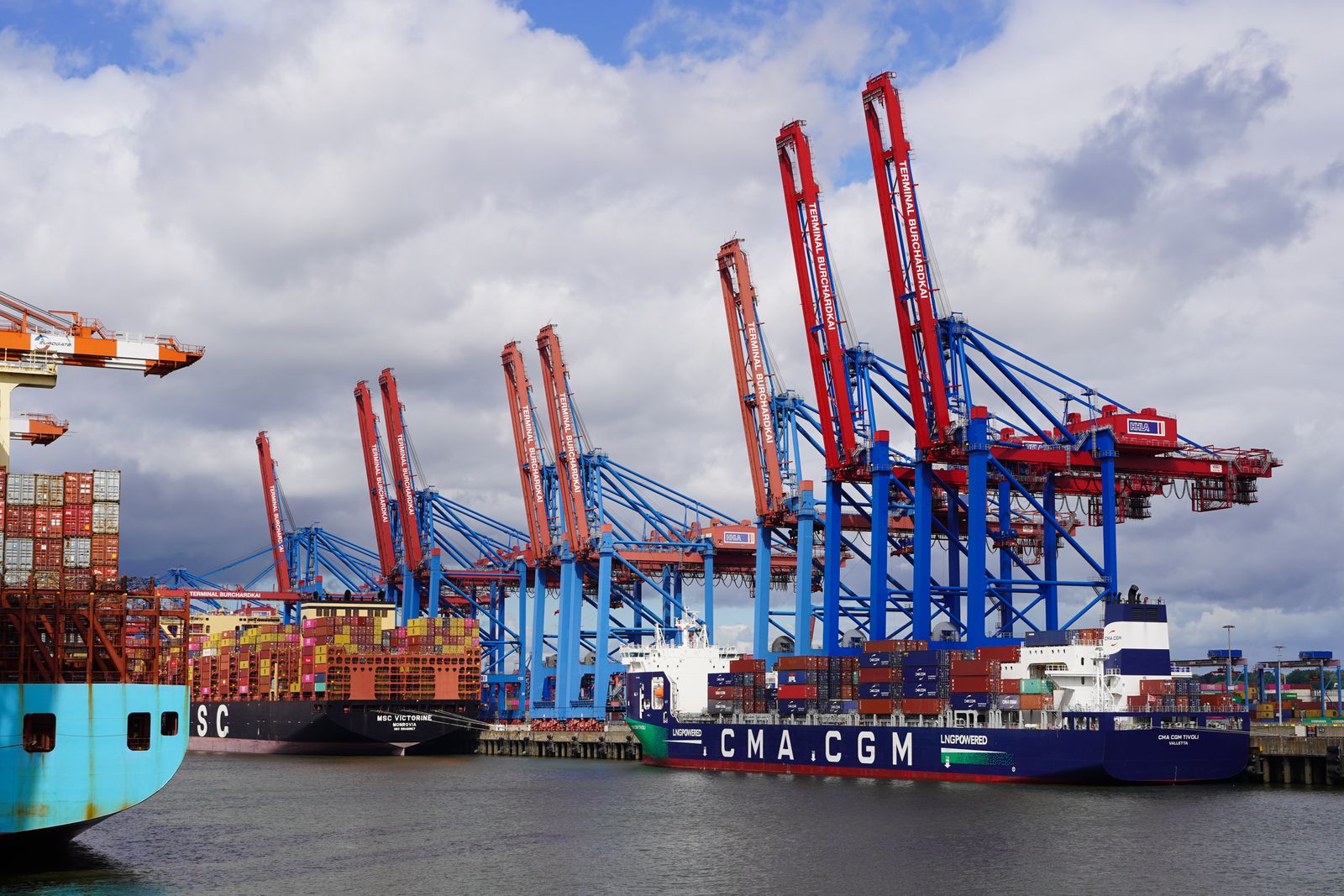
Ocean freight remains a highly efficient transport mode for large, regular and non-urgent international cargo flows. Brest Expo Trans connects Belarusian businesses and overseas trading partners to global shipping routes through appropriate European and regional ports. We coordinate the inland leg, container booking, port procedures, shipping documents and final delivery as one multimodal movement.
For full container load (FCL) shipments, your goods occupy a dedicated container, providing controlled loading and fewer cargo handovers. Less-than-container load (LCL) services consolidate smaller consignments into shared container space, offering economical access to sea freight without waiting for full-container volume. Our specialists compare schedules, transshipment patterns, free-time conditions and inland connections—not only the headline ocean rate.
Container options and shipping support
Standard dry containers cover many commercial products, while high-cube, open-top, flat-rack and refrigerated equipment can address higher-volume, out-of-gauge or temperature-sensitive cargo. Equipment availability and acceptance depend on the cargo profile, carrier and trade lane, so early technical data makes the booking process faster and more reliable.
- FCL shipments in 20-foot, 40-foot and high-cube containers
- LCL consolidation for lower-volume import and export cargo
- Reefer, open-top and flat-rack equipment subject to approval
- Pre-carriage and on-carriage by road or rail
- Shipping documentation, customs and cargo insurance coordination
Port planning without operational blind spots
Sea freight has multiple cost and timing variables: vessel cut-offs, documentation deadlines, terminal handling, demurrage, detention and customs release. We identify the responsible party for each milestone and give customers a practical view of the shipment from container release to empty return. When delays occur, our team works across carriers, terminals, hauliers and customs contacts to protect the delivery plan.
Routes may be designed through Baltic, North Sea, Adriatic, Black Sea or other gateways depending on commercial feasibility, legal conditions, vessel connections and final destination. Every proposal is prepared for the specific shipment rather than forcing cargo into a fixed port model.