International rail freight through Belarus
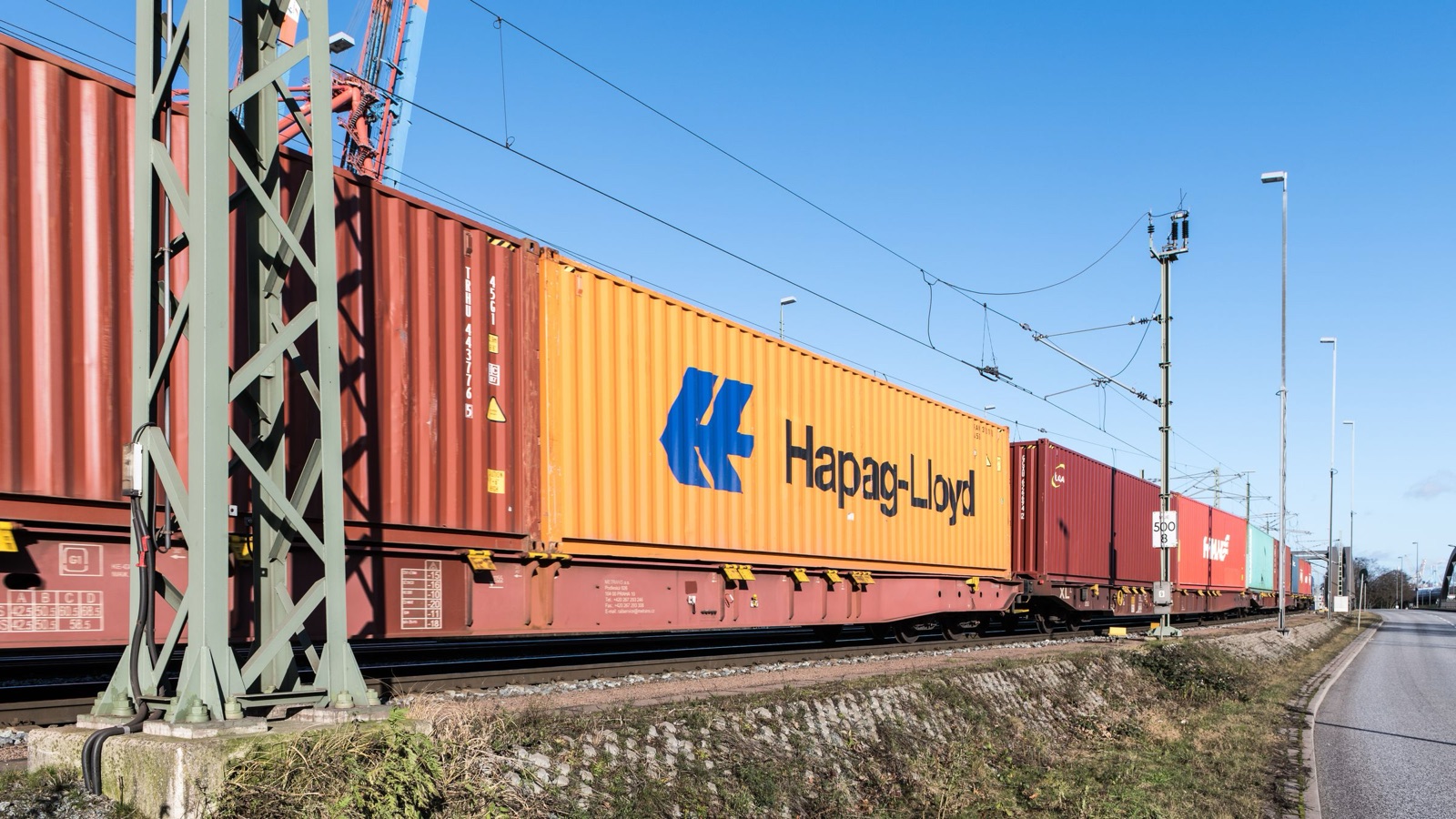
Rail freight is a strong option for companies seeking reliable capacity, efficient long-distance movement and an alternative between road and ocean transport. Brest Expo Trans plans rail solutions for containerized and wagon cargo moving through Belarus to European, CIS and Central Asian destinations. We coordinate the terminal, rail operator, customs process and first- or last-mile trucking so the journey operates as one connected chain.
Container rail services can handle regular industrial inputs, finished products, consumer goods and other suitable commodities. For volume flows, block-train or scheduled services may create stable departures and scalable capacity. Single-container and wagon solutions give shippers access without committing to an entire train. Route selection depends on terminal capabilities, gauge transitions, service frequency, equipment and current border conditions.
Intermodal planning from origin to destination
A rail booking is only one part of the movement. Our team defines the collection point, loading method, container or wagon type, departure terminal, border procedures, destination terminal and final delivery. This protects the schedule from disconnected decisions and clarifies which charges apply at every stage.
- Container rail transport on regional and long-distance corridors
- Single wagon and block-train solutions for larger volumes
- Terminal handling, transloading and gauge-change coordination
- First- and last-mile road transport
- Customs documentation and cargo insurance support
Where rail creates value
Rail can be particularly effective for dense or heavy cargo, predictable production flows and inland destinations far from ocean ports. It often offers more capacity than road and shorter lead times than conventional sea routes on selected corridors. The commercial decision should consider the complete door-to-door cost, schedule frequency, terminal dwell time and cargo handling—not transit time in isolation.
Brest Expo Trans monitors each milestone from equipment positioning and terminal acceptance to departure, border transit, arrival and final delivery. Customers receive practical updates from one coordinator and early notification when an operational event requires a decision.